Precision Driving
for the
Discerning Few

Measured in Tenths, Settled in Truth
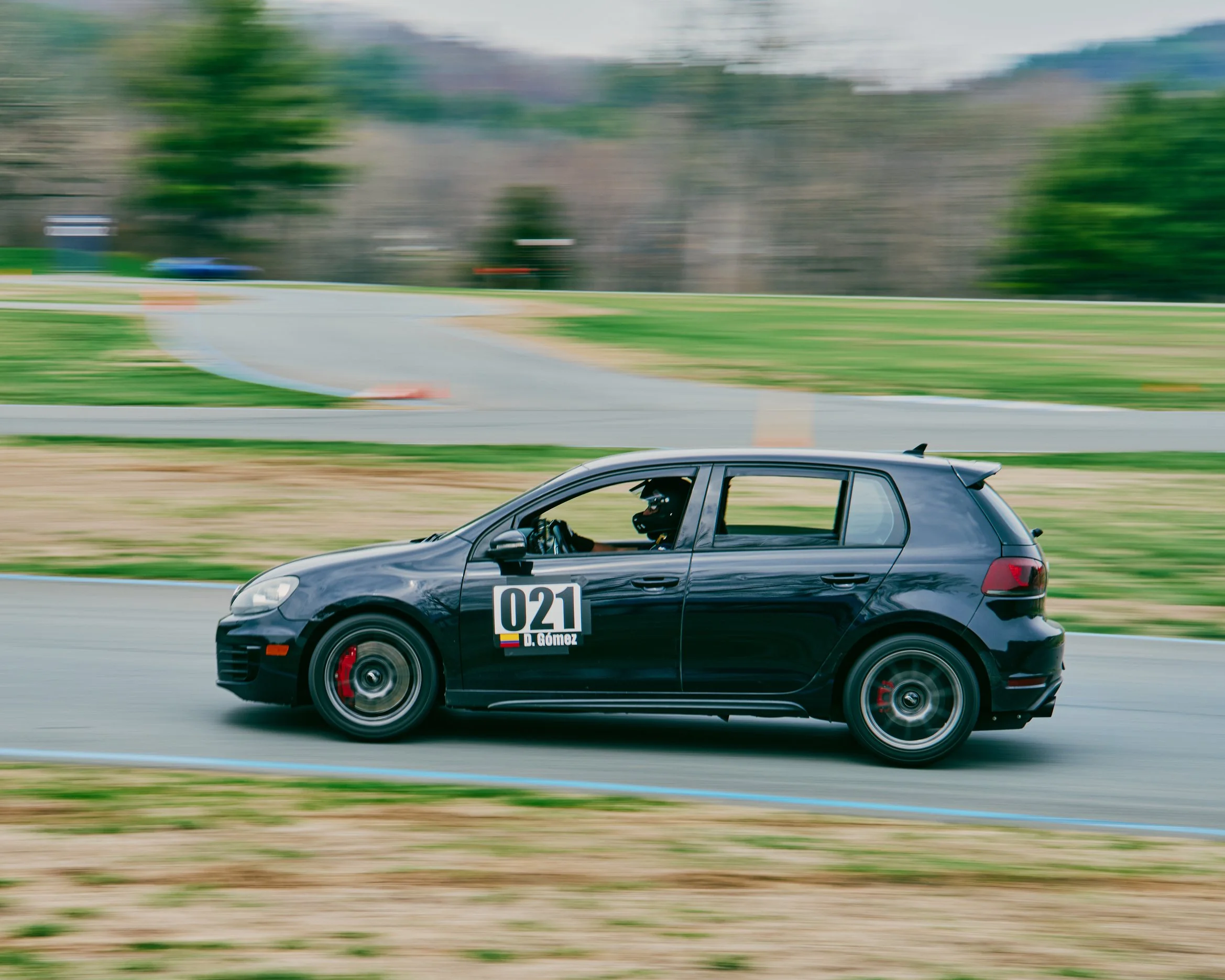
Autocross doesn’t advertise itself. It doesn’t need to. It lives quietly on sunburned asphalt, outlined in cones that bruise egos and correct ambition with precision. There are no grandstands, no anthems, no illusions of immortality. Just a course, a car, and a clock with a brutal sense of honesty.
This is motorsport stripped of romance and left with intent.
You don’t wake up calm on autocross mornings. You wake up rehearsing. Half asleep, half awake, already late on throttle in a corner that doesn’t exist yet. Coffee helps, but not much. Neither does confidence. Everyone here thinks they’re quick until the timer proves otherwise. That’s the agreement you sign when you pull in.
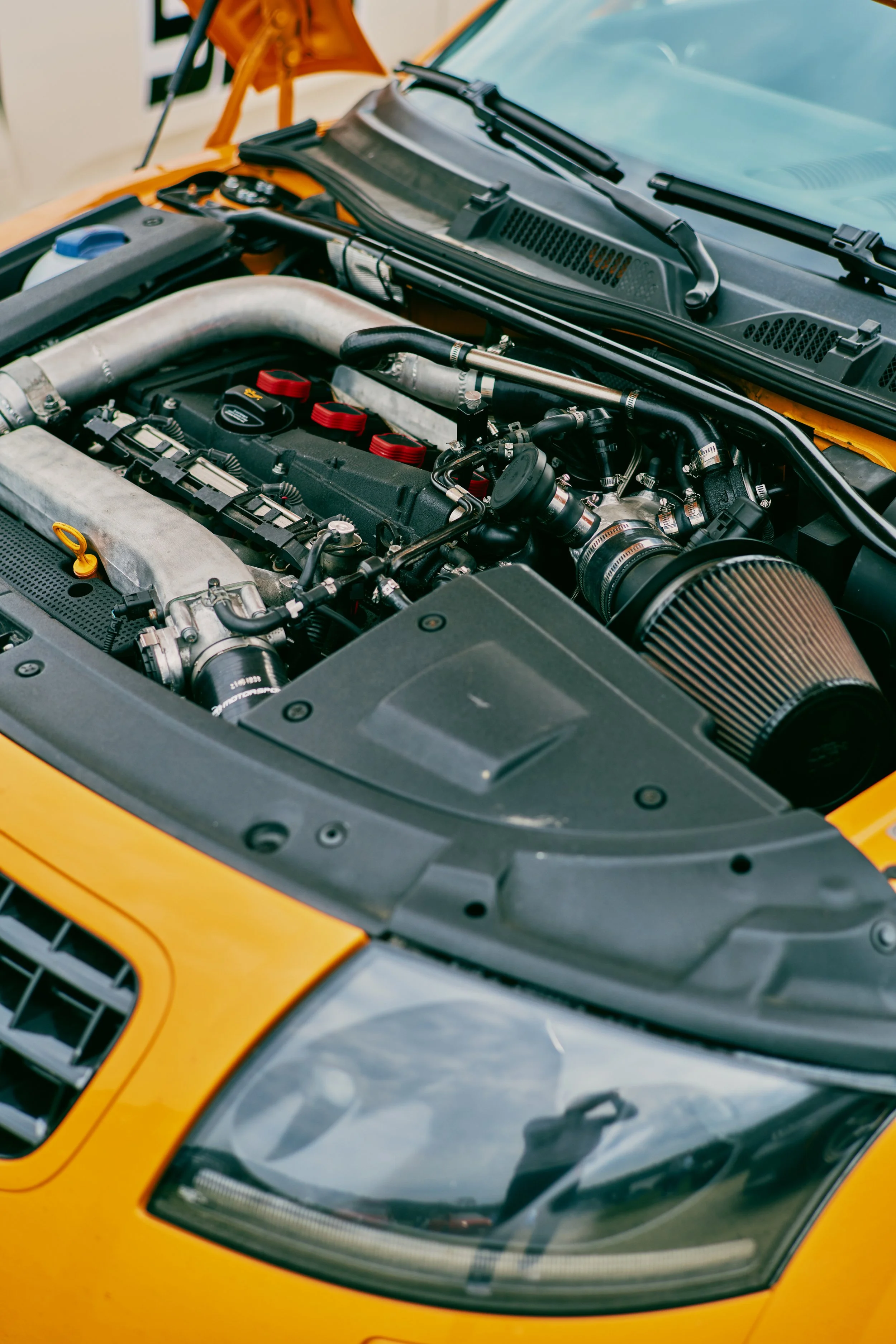
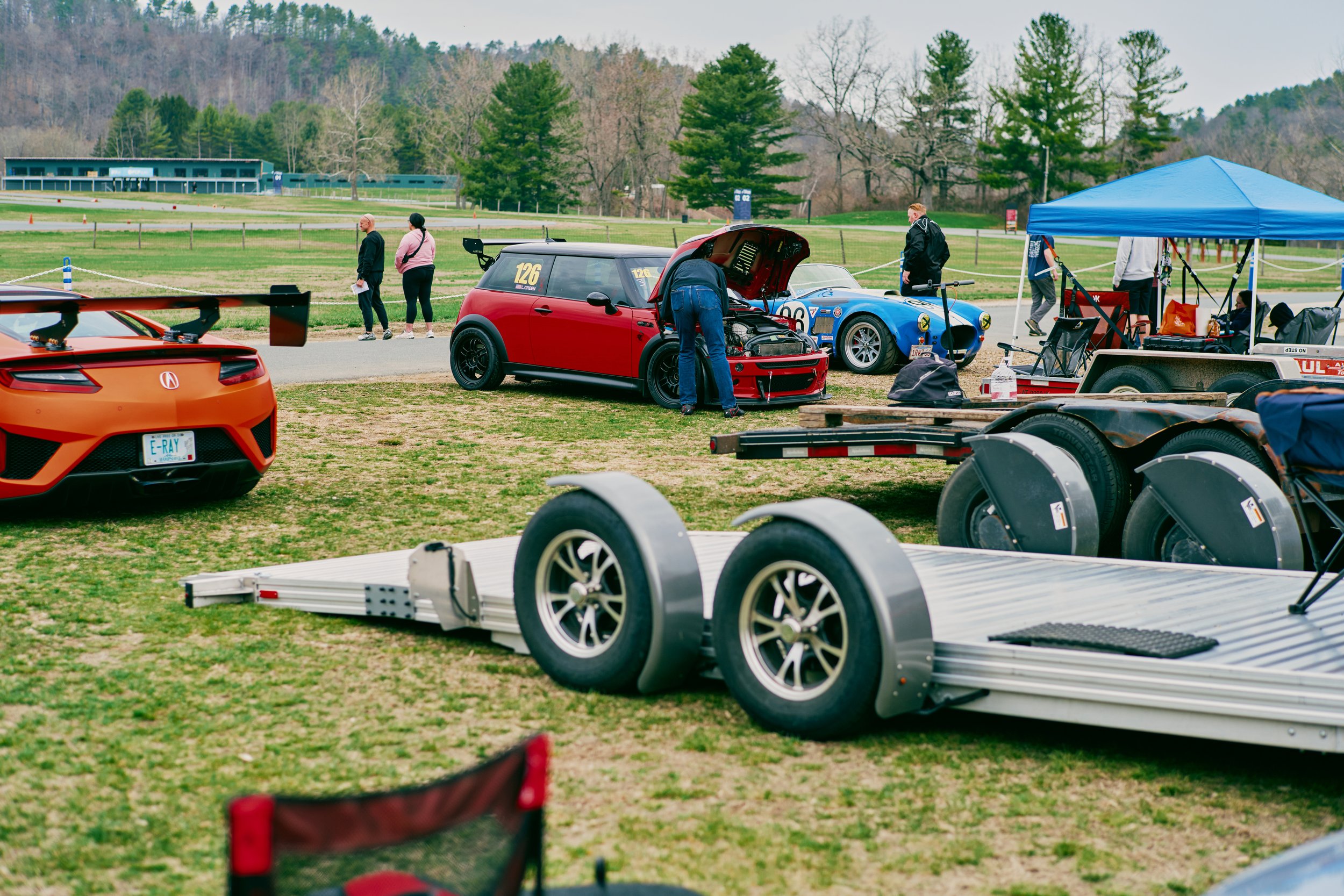
You bring your own car. That’s non-negotiable. Sometimes it’s the daily drive to work all week. Sometimes it’s a racecar that only leaves the garage for mornings like this. Either way, it’s personal. Same seat. Same wheel. Same problems. Autocross doesn’t let you outsource responsibility. Whatever happens out there belongs to you.
When the helmet goes on, the world tightens. Sound dulls. Vision sharpens. The course walk you did earlier suddenly feels inadequate. Cones appear closer now. Mistakes feel expensive before they even happen.
The first run is caution disguised as strategy. You tell yourself you’re learning. Feeling grip. Testing limits. That story lasts exactly one sector. The second run is ambition. You brake later, turn sharper, and trust the rear more than you should. The third run—if you’re lucky enough to still have one clean idea left—is commitment. No bargaining. No safety net. Just muscle memory, instinct, and nerve.
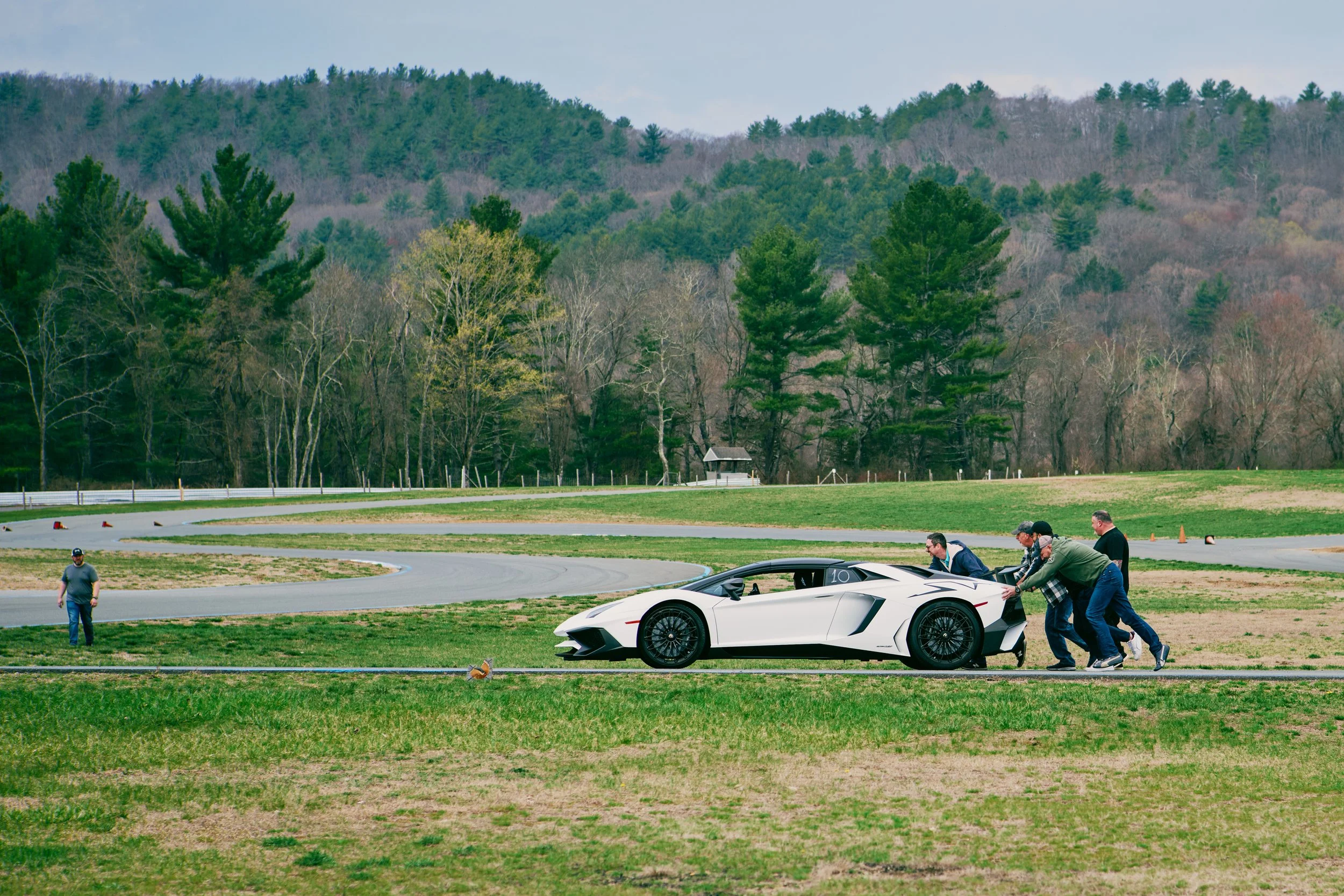
This is driver versus time in its purest form. No drafting. No teammates. No traffic. No one to hide behind. You are doing this alone, in public, against a clock that remembers everything. Clip a cone, and it announces your failure with a sound that cuts deeper than laughter. Miss a gate, and there’s no recovery arc—just acceptance.
And yet, when it works—when the car rotates exactly where it should, when the slalom stops feeling like chaos and starts feeling like choreography—it’s electric. You cross the finish already knowing. Not because the time is fast, but because it was clean. Controlled. Honest.
You pull back into the grid, breathing harder than expected. Hands smell like rubber and heat. Someone nods at you—not encouragement, not judgment. Recognition. They saw it. They know what you were chasing, because they’re chasing it too.
This is the part outsiders miss. Autocross isn’t casual. It’s competitive in a quiet, surgical way. People walk the course again instead of talking. They replay mistakes with unsettling clarity. They don’t brag about wins; they talk about tenths. About where they left time. About how much better it could’ve been.
Because autocross rewards obsession.
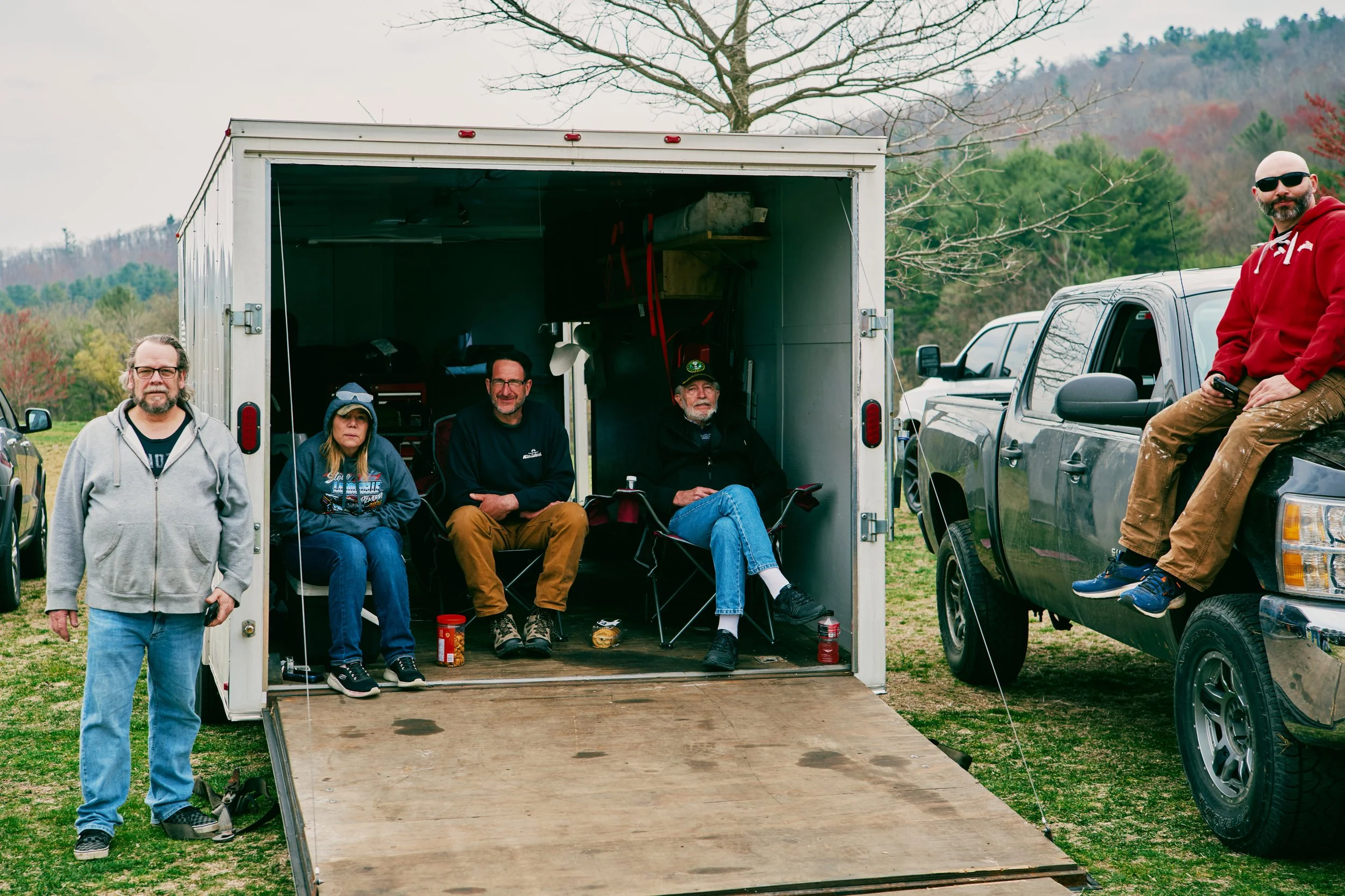
It doesn’t care how much your car costs. It doesn’t care about badges, followers, or stories. It cares about brake pressure, steering angle, timing, and restraint. About how willing you are to look stupid to get faster. About how badly you want to be the best version of yourself for one run, on one morning, against people just as focused as you.
Victories here are small and absolute. First in class. Fastest run of the day. A personal best that means nothing to anyone, but you—and everything is all the same. There’s no champagne. Just a quiet satisfaction, cut with the knowledge that next time, it’ll be harder.
That’s why people come back. Not for spectacle. Not for validation. For calibration.
Autocross doesn’t sell dreams.
It offers truth at speed.
And for those wired just wrong enough to love it, that’s more than enough.
Because sometimes—between cones, rubber, and time—you get a run that feels earned. And once you’ve had that, you’ll keep chasing it. Every weekend. Every tenth. Until the clock finally shuts you up.